Game Overview
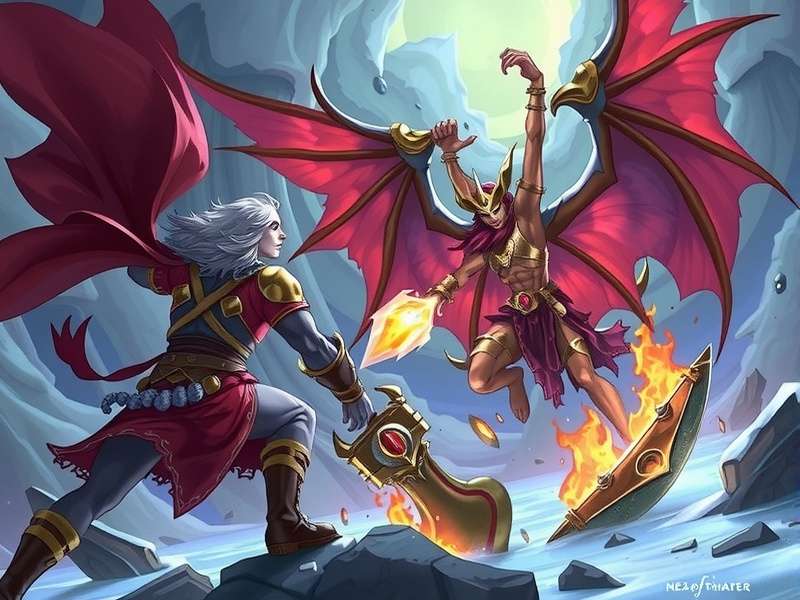
Morjim S Epic Battle stands as a landmark achievement in Indian game development, crafted with immense passion and dedication by the talented team at Daman Games. Released on September 22, 2024, this action-packed role-playing game has redefined the standards for South Asian-developed titles, seamlessly blending rich cultural heritage with cutting-edge gameplay mechanics that rival international AAA productions.
Set in the fictionalized realm of Aryavarta—a vast and diverse land inspired by ancient India's kingdoms, mythologies, and geographical landscapes—the game invites players to step into the shoes of a chosen hero tasked with restoring balance to a world torn apart by celestial conflict and mortal greed. What truly distinguishes Morjim S Epic Battle from other fantasy RPGs is its unwavering commitment to cultural authenticity, with every aspect of the game world—from architectural designs to character attire, from traditional rituals to linguistic nuances—drawing deep inspiration from India's rich historical and cultural tapestry.
Unlike many fantasy games that rely heavily on Western mythological tropes, Morjim S Epic Battle celebrates and reimagines Indian mythology and folklore, introducing players to a pantheon of Hindu gods and goddesses, mythical creatures like nagas, vanaras, and garudas, and legendary weapons from ancient epics such as the Ramayana and Mahabharata. The game's development team collaborated closely with cultural experts, historians, and linguists to ensure that every detail—from the rituals performed by in-game characters to the design of temples and fortresses—remains respectful and authentic to India's diverse cultural heritage.
Available across multiple platforms including PC, PlayStation 5, Xbox Series X/S, PlayStation 4, Xbox One, and Google Stadia, Morjim S Epic Battle has garnered widespread acclaim from both critics and players alike. Its success has not only put Indian game development on the global map but has also fostered a sense of pride among Indian gamers who finally see their culture represented in a major AAA title with the production values, depth, and polish of international hits.
The game's launch was met with unprecedented enthusiasm in India, breaking records for the highest number of pre-orders for an Indian-developed game and topping the charts on multiple platforms within days of its release. Players have praised the game for its immersive world, engaging storyline, and the way it brings Indian culture to life in a manner that feels both authentic and accessible to global audiences.
Development Journey
The development of Morjim S Epic Battle began in 2018, with a small team of passionate developers at Daman Games who wanted to create a game that would showcase India's rich cultural heritage to the world. What started as a modest project soon grew into an ambitious undertaking, with the team expanding to over 150 members including artists, designers, programmers, writers, and cultural consultants.
One of the biggest challenges faced by the development team was balancing cultural authenticity with engaging gameplay. The team spent countless hours researching ancient Indian texts, visiting historical sites, and consulting with experts to ensure that the game's world, characters, and lore remained true to Indian culture while still being accessible and enjoyable for players unfamiliar with South Asian mythology.
The game's development was also marked by a commitment to inclusivity, with the team ensuring that the game features diverse representations of Indian culture, including elements from North, South, East, and West India. This commitment to diversity is reflected in everything from the game's regional dialects and musical score to its architectural designs and character appearances.
After six years of development, Morjim S Epic Battle was finally released to critical acclaim, with many reviewers praising the game's attention to detail, engaging storyline, and innovative gameplay mechanics. The game's success has paved the way for other Indian developers to create culturally authentic games, and has established Daman Games as a leading force in the global gaming industry.
Gameplay Mechanics
Core Gameplay Loop
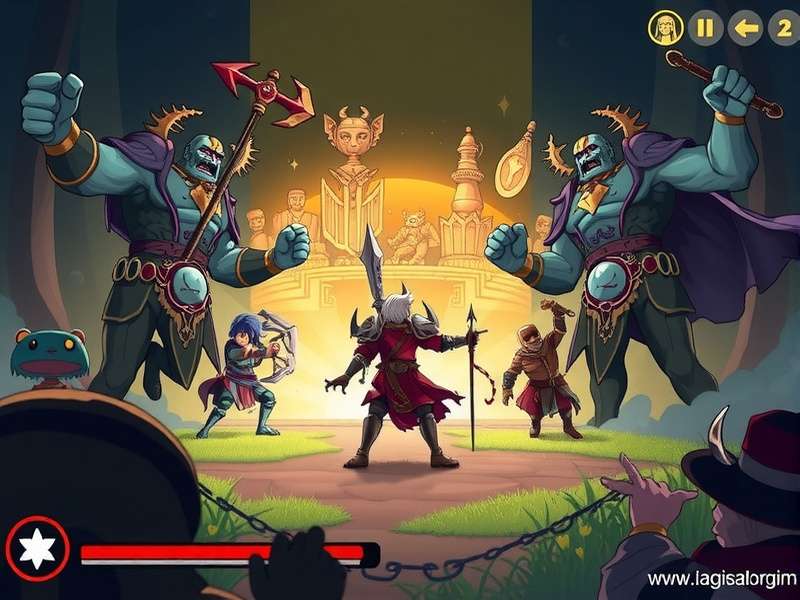
Morjim S Epic Battle combines the freedom of open-world exploration with the depth and complexity of a classic action RPG, creating a gameplay experience that feels both familiar to genre fans and refreshingly unique. The core loop revolves around four key elements—exploration, combat, character progression, and quest completion—each seamlessly integrated to create a cohesive and engaging experience that keeps players hooked for hours on end.
Players are free to traverse the vast world of Aryavarta at their own pace, choosing to follow the main storyline, tackle side quests, or simply explore the numerous points of interest scattered throughout the landscape. The game actively encourages curiosity and rewards players who take the time to venture off the beaten path with hidden treasures, unique items, powerful weapons, and valuable lore that enriches the overall narrative experience.
One of the most notable aspects of the gameplay loop is its emphasis on player choice and agency. Almost every decision you make—from the factions you align with to the moral choices you face during quests—has a tangible impact on the game world and how other characters interact with you. This level of player agency ensures that no two playthroughs are the same, and encourages multiple playthroughs to experience different storylines and outcomes.
Combat System
The combat system in Morjim S Epic Battle is a masterful blend of fast-paced action and strategic depth, drawing inspiration from both traditional Indian martial arts and modern RPG combat mechanics. The system is designed to be accessible to casual players while offering enough complexity to satisfy hardcore RPG fans, with a steep but rewarding learning curve that encourages mastery.
Players can choose from three distinct combat styles, each offering a unique playstyle and requiring different skills and strategies. Each style has its own skill tree, abilities, and playstyle, allowing players to customize their combat experience to suit their preferences:
Kalaripayattu & Indian Martial Arts
Inspired by Kerala's ancient Kalaripayattu martial art—often regarded as one of the oldest fighting systems in existence—this combat style emphasizes fluid movements, quick strikes, and defensive maneuvers. Players who choose this path will master a variety of punches, kicks, and weapon techniques that allow them to take on multiple enemies at once with grace and precision.
Martial artists excel at close-quarters combat, using their speed and agility to dodge attacks and counter with devastating combos. The combat style features a unique "Rhythm System" where players must time their attacks and defenses to build up combos and unleash powerful special moves. As players progress, they can unlock special techniques like the "Chuvadu" (footwork patterns) that grant temporary speed boosts and evasion bonuses, and "Marichil" (rolling evasion) that allows them to dodge attacks while maintaining momentum.
A key feature of the martial arts style is its emphasis on balance and control. Unlike other combat styles that rely on brute force or magical power, martial artists must maintain their balance gauge during combat, which depletes with each heavy attack and regenerates with successful blocks and evades. Mastering this balance system is essential for unleashing the style's most powerful abilities, such as the "Vishama Vadi" (uneven strike) that can break enemy defenses and leave them vulnerable to follow-up attacks.
Martial artists also have access to a variety of pressure points and nerve strikes that can disable enemies or apply status effects like stun, slow, or weakness. These techniques add a strategic layer to combat, allowing players to tailor their approach to different enemy types and combat situations.
Ancient Indian Weaponry
This combat style focuses on mastering traditional Indian weapons, each with its own unique characteristics and playstyle. Players can choose from a wide range of weapons including the khanda (double-edged sword), shakti (spear), gada (mace), bow and arrow, chakram (throwable disc), and katar (push dagger), each offering a distinct combat experience.
Unlike many RPGs where weapons are simply stat sticks, each weapon in Morjim S Epic Battle has its own unique move set, combos, and special abilities. For example, the khanda excels at fast, successive strikes and can be used to create wide arcs of attack that hit multiple enemies, while the gada is slower but deals massive damage and can break through enemy defenses. The bow offers long-range precision and can be upgraded with elemental arrows, while the chakram can be thrown and recalled, allowing for hit-and-run tactics.
Weapon specialists can customize their arsenal with enchanted gems known as "Ratnas" that grant various bonuses and elemental effects. These gems can be socketed into weapons to unlock special abilities like the "Agni Khanda" (fire-infused sword strikes) that deal fire damage and ignite enemies, or "Vayu Ban" (wind-aided arrows) that travel faster and farther than normal arrows. The game features over 50 different Ratnas, each with unique effects that allow for deep customization of combat style.
Another unique feature of the weaponry system is the "Weapon Bond" mechanic. As players use a particular weapon type, they develop a bond with it that unlocks special abilities and bonuses. For example, using the khanda extensively might unlock a "Warrior's Resolve" ability that increases damage resistance when health is low, while mastering the bow could unlock "Eagle Eye" that allows for precise targeting of enemy weak points.
Weapon specialists also have access to a variety of combat stances that change their move sets and abilities. For example, the "Defensive Stance" with the khanda increases block efficiency and reduces damage taken, while the "Aggressive Stance" increases attack speed and damage but leaves the player more vulnerable to counterattacks. Switching between stances mid-combat adds a strategic layer that allows players to adapt to different combat situations.
Divine Magic & Mantras
Drawing power from the gods of the Hindu pantheon, this combat style allows players to wield divine magic through the recitation of mantras and the channeling of spiritual energy known as "Prana". Players can choose to align themselves with different deities, each granting unique magical abilities and playstyles.
The magic system in Morjim S Epic Battle is deeply rooted in Hindu mythology and philosophy. Unlike traditional RPG magic systems that use mana or magic points, the game's magic system uses Prana, which is generated through meditation, successful attacks, and the use of spiritual items. Prana regenerates slowly over time, but can be replenished quickly through meditation—though this leaves the player vulnerable to attack.
Magic users can align themselves with one of five major deities, each with their own unique spell trees and abilities:
- Agni (God of Fire): Specializes in offensive fire magic, with spells like "Agni Prahar" (fire storm) that creates a swirling vortex of fire, and "Jwala Chakra" (flame disc) that hurls a spinning disc of fire at enemies.
- Varuna (God of Water): Focuses on defensive and crowd control magic, with spells like "Varuna Jal" (water barrier) that creates a protective shield, and "Udaka Vortex" (water vortex) that pulls enemies into a swirling current.
- Vayu (God of Wind): Specializes in mobility and evasion magic, with spells like "Vayu Vahan" (wind teleportation) that allows instant movement, and "Pavan Gust" (wind gust) that knocks back enemies and clears projectiles.
- Prithvi (Goddess of Earth): Focuses on healing and buff magic, with spells like "Prithvi Sanjeevani" (earth healing) that restores health to the player and allies, and "Dharti Shakti" (earth strength) that increases defense and resistance to damage.
- Surya (God of Sun): Specializes in holy damage and purification magic, with spells like "Surya Bhasma" (sun ash) that deals holy damage to undead and corrupted enemies, and "Tejas Aura" (radiant aura) that damages nearby enemies and heals allies.
Magic users can also combine mantras to create powerful hybrid spells. For example, combining an Agni mantra with a Vayu mantra creates "Agni Vayu" (fire wind) that hurls a tornado of fire at enemies, while combining a Varuna mantra with a Prithvi mantra creates "Jal Dharti" (water earth) that creates a mudslide that slows enemies and deals damage over time.
A unique aspect of the magic system is the "Mantra Mastery" mechanic. As players use specific mantras, they increase their mastery level, which unlocks more powerful versions of the spells and reduces their Prana cost. Mastering a mantra also grants unique passive bonuses, such as increased fire damage for Agni mantras or faster healing for Prithvi mantras.
Character Progression
Morjim S Epic Battle features a deep and flexible character progression system that allows players to customize their hero according to their preferred playstyle. The system is designed to be accessible to casual players while offering enough depth to satisfy hardcore RPG fans, with multiple paths to power and numerous customization options.
The game uses a skill tree system with three main branches corresponding to the three combat styles, as well as a fourth "Universal" branch dedicated to passive abilities and general skills that benefit all playstyles. Each skill tree features numerous nodes that unlock new abilities, improve existing ones, and grant stat bonuses.
As players level up by gaining experience points from combat, quest completion, and exploration, they earn skill points that can be invested in the skill trees. The game also features a "Skill Refund" system that allows players to reset their skill points at any time (for a nominal in-game currency cost), encouraging experimentation with different builds and playstyles.
In addition to the skill trees, players can enhance their character's core attributes:
- Strength: Increases physical damage and carrying capacity
- Agility: Improves movement speed, attack speed, and evasion
- Intelligence: Boosts magical damage and Prana capacity
- Spirit: Enhances healing effectiveness and resistance to status effects
- Constitution: Increases health and damage resistance
Each time players level up, they gain attribute points that can be allocated to these core attributes. The game also features a "Trait System" where players can unlock special traits that provide unique bonuses. These traits are unlocked by completing specific challenges, such as defeating a certain number of enemies with a particular weapon type, mastering a specific magic school, or completing certain side quests.
Character customization extends beyond just abilities and attributes. Players can customize their character's appearance with a wide range of traditional Indian clothing and accessories, from the royal attire of Mughal emperors to the humble garments of village farmers, from the sacred threads of Brahmin priests to the battle-worn armor of Rajput warriors. The game features over 200 different clothing items and accessories, each with its own unique design and cultural significance.
The game also features a robust crafting system that allows players to create and upgrade equipment using materials gathered from the world. Players can craft weapons, armor, potions, and magical items using resources like iron ore, herbs, animal hides, and enchanted gems. The crafting system is deep and rewarding, with high-level crafted items often surpassing even the most powerful loot found in the game.
Open World Exploration
The world of Aryavarta is a masterpiece of game design, spanning over 150 square kilometers of diverse landscapes inspired by India's varied geography. From the snow-capped peaks of the Himalayan-inspired Himavat Mountains to the lush greenery of the Ganga Delta, from the arid deserts of Rajasthan to the tropical forests of Kerala, each region offers a unique visual style, gameplay experience, and cultural flavor.
Players can traverse the world in a variety of ways, each offering a different experience:
- On Foot: Allows for detailed exploration and discovery of hidden secrets
- Mounts: Includes horses, elephants, camels, and mythical creatures like the Garuda (eagle-like bird) and Ashwini (winged horse)
- Fast Travel: Unlocked by discovering "Pilgrimage Sites" throughout the world
- Boats: Used to navigate rivers, lakes, and coastal regions
The world is designed to reward exploration, with numerous points of interest scattered throughout the landscape. These include ancient temples hidden in mountain valleys, abandoned fortresses overgrown with vegetation, sacred groves inhabited by mythical creatures, and bustling cities with vibrant markets and cultural events.
One of the most impressive aspects of the open world is its dynamic nature. The world changes based on the time of day, weather conditions, and the player's actions. For example, certain events and quests are only available at night, while others can only be completed during specific weather conditions like rain or fog. The player's actions can also have a lasting impact on the world, such as restoring a village destroyed by bandits or helping a kingdom defeat an invading army.
The game features a dynamic day-night cycle that affects both gameplay and atmosphere. During the day, cities are bustling with activity, merchants are open for business, and certain enemies are less active. At night, the world becomes more dangerous, with powerful creatures emerging from hiding and bandit attacks becoming more frequent. However, night also offers unique opportunities, such as the chance to witness rare celestial events or participate in nighttime rituals.
The weather system is equally dynamic, with rain, thunderstorms, fog, sandstorms, and snow affecting gameplay in various ways. Rain can make terrain slippery and reduce visibility, while thunderstorms can create dangerous electrical hazards. Fog can hide enemies and create a sense of mystery, while sandstorms in desert regions can disorient the player and reduce movement speed.
Cultural authenticity is a key aspect of the open world design. Each region of Aryavarta features architecture, clothing, food, and traditions inspired by different parts of India. For example, the northern regions feature Mughal and Rajput architecture, while the southern regions feature Dravidian temples and traditional Kerala homes. The game's cities and villages are populated by NPCs who speak in regional dialects (with subtitles available) and follow traditional customs and rituals.
The world is also filled with dynamic events and random encounters that keep the experience fresh and unpredictable. These include bandit ambushes on mountain roads, divine interventions that offer unique quests and rewards, natural disasters that require the player's assistance, and festivals that celebrate various aspects of Indian culture.
Lore & Story
The World of Aryavarta
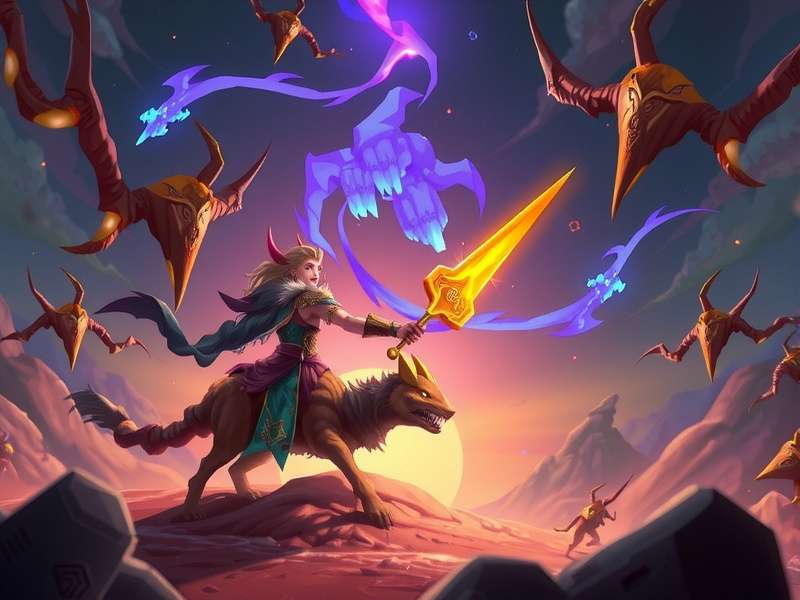
The world of Morjim S Epic Battle is built upon a rich and detailed lore that draws deep inspiration from Hindu mythology, Indian history, and original storytelling. Aryavarta, the game's setting, is a realm where the boundaries between the mortal world (Bhuloka), the divine realms (Devaloka), and the underworld (Patala) are thinning, leading to a crisis that threatens the very fabric of existence.
According to the game's mythology, Aryavarta was created by the Trimurti—the Hindu trinity of Brahma (the creator), Vishnu (the preserver), and Shiva (the destroyer). For millennia, the world existed in harmony, with humans, gods, and mythical creatures coexisting under the guidance of the divine. The gods would occasionally intervene in mortal affairs, but for the most part, they remained in their celestial realms, allowing humans to chart their own destiny.
The balance between the realms was maintained by the Sudarshana Chakra, a powerful artifact created by Vishnu to separate the realms and prevent chaos. For thousands of years, the Chakra was guarded by a lineage of guardians known as the "Chakra Dharis" (Chakra Bearers), who dedicated their lives to protecting the artifact and maintaining the balance between the realms.
However, as mortal greed and ambition grew, the balance between the realms began to shift. Kings and emperors sought to harness the power of the gods for their own gain, while powerful sorcerers attempted to breach the boundaries between the realms to gain access to the divine energies of Devaloka. These actions weakened the Sudarshana Chakra and began to blur the lines between the mortal and divine worlds.
The game's backstory revolves around the "Great Sundering," a cataclysmic event that occurred 500 years before the start of the game. During a celestial ceremony intended to strengthen the Sudarshana Chakra, a group of powerful sorcerers known as the "Asura Panch" (Five Demons) interfered, shattering the Chakra into five fragments that scattered across Aryavarta. This event tore open rifts between the realms, allowing dark energies from Patala to flood the mortal world and corrupting many of the mythical creatures that inhabited it.
The Great Sundering led to the rise of evil warlords who sought to harness the corrupted energies for their own power, the disappearance of many gods from the mortal world, and the spread of chaos and destruction across Aryavarta. For 500 years, the world has been in a state of constant conflict, with kingdoms fighting for survival and people living in fear of the corrupted creatures and dark forces that roam the land.
Main Storyline
The main storyline of Morjim S Epic Battle follows the journey of the player character, a young villager from the remote village of Morjim (from which the game takes its name). The story begins when the village is attacked by a horde of corrupted monsters known as the "Shadak" (Destroyers), who are searching for a fragment of the Sudarshana Chakra that has been hidden in the village temple for generations.
During the attack, the player character discovers that they are the reincarnation of the last Chakra Dhari, who sacrificed themselves to prevent the Asura Panch from obtaining the Sudarshana Chakra during the Great Sundering. This revelation comes as the village elder, who has been guarding the Chakra fragment, transfers its power to the player before dying at the hands of the Shadak.
With the Chakra fragment embedded in their soul, the player sets out on a quest to gather the remaining four fragments and restore the Sudarshana Chakra. Along the way, they are joined by a diverse group of allies who each have their own reasons for helping the player:
- Vishwamitra: A wise old sage who has been waiting for the reincarnation of the Chakra Dhari for 500 years. He serves as the player's mentor, providing guidance and knowledge about the world and its history.
- Arjunadeva: A skilled Rajput warrior whose kingdom was destroyed by the Asura Panch. He seeks revenge against the sorcerers and believes that restoring the Sudarshana Chakra is the only way to avenge his people.
- Meera: A mysterious thief with a knack for finding hidden treasures. She initially joins the player to steal the Chakra fragments but eventually becomes a loyal ally after witnessing the player's selflessness.
- Gopal: A peaceful monk with powerful healing abilities. He joins the player to spread the message of dharma (righteousness) and help those affected by the chaos of the Great Sundering.
- Shivani: A powerful sorceress who was once a member of the Asura Panch but betrayed them after realizing the true extent of their evil. She provides the player with valuable information about the sorcerers' plans and weaknesses.
As the player progresses through the game, they travel across the length and breadth of Aryavarta, visiting ancient kingdoms, sacred temples, and forbidden lands. Each region of the world has its own unique culture, challenges, and secrets, and the player must navigate complex political landscapes and overcome powerful enemies to obtain each Chakra fragment.
The storyline is divided into five main acts, each focusing on a different region of Aryavarta and a different member of the Asura Panch. Each act culminates in an epic boss battle against one of the sorcerers, with the final act pitting the player against the leader of the group, the powerful sorcerer Ravanaaksha (Eyes of Ravana).
One of the most compelling aspects of the storyline is its moral complexity. The game presents players with difficult choices that have far-reaching consequences, and there is no clear distinction between good and evil. Many of the game's villains have understandable motivations—some are seeking revenge for past wrongs, while others believe that their actions are necessary to save Aryavarta from an even greater threat.
The player's choices throughout the game affect not only the storyline but also the world itself. For example, choosing to help a corrupt king defeat a rebel group might grant the player powerful rewards but could lead to the oppression of innocent people, while choosing to side with the rebels might result in the player losing the king's support but gaining the loyalty of the people.
The game features multiple endings based on the player's choices and actions throughout the story. These endings range from restoring the Sudarshana Chakra and bringing peace to Aryavarta to embracing the dark powers of Patala and becoming a new Asura Panch. Each ending offers a unique resolution to the story and provides different insights into the world of Aryavarta.
Mythological Influences
Morjim S Epic Battle draws heavily from Hindu mythology, incorporating many of the most famous gods, goddesses, and mythical creatures from the Ramayana, Mahabharata, and other ancient texts. However, the game is not a direct retelling of these stories but rather a reimagining that places the player at the center of a new epic.
The game's developers have taken great care to respect the source material while still creating a unique and engaging experience. They have worked closely with cultural experts and scholars to ensure that the game's portrayal of Hindu mythology is accurate and respectful, avoiding any misrepresentation or cultural appropriation.
Some of the most prominent mythological figures featured in the game include:
- Lord Vishnu: The preserver god, who appears to the player in various avatars (incarnations) to offer guidance and assistance. Players can receive blessings from Vishnu that grant temporary buffs and abilities.
- Goddess Durga: The warrior goddess, who grants the player powerful combat abilities and helps them defeat powerful demons. Players can summon Durga's avatar for a limited time to turn the tide of battle.
- Lord Shiva: The destroyer god, who tests the player's strength and resolve through a series of challenging trials. Completing these trials grants the player access to Shiva's powerful weapons and abilities.
- Hanuman: The monkey god, who aids the player in their journey with his immense strength and agility. Hanuman can be summoned to help the player overcome obstacles and defeat powerful enemies.
- Nagas: Serpent-like creatures who inhabit the underworld. Unlike traditional portrayals where nagas are often villains, the game presents them as a complex race with their own society and motivations—some are allies who help the player, while others are enemies who seek to hinder their progress.
- Garudas: Eagle-like mythical creatures who serve as mounts for the gods. Players can unlock the ability to summon a Garuda mount after completing a series of quests.
- Asuras: Powerful demons who oppose the gods. In the game, the Asura Panch are the main antagonists, but not all asuras are evil—some are simply misunderstood or have legitimate grievances against the gods.
The game also incorporates many mythological concepts and practices, such as yoga, meditation, mantra recitation, and puja (worship ceremonies). These elements are not just for show but are integrated into the gameplay, with yoga and meditation allowing players to replenish their health and Prana, and mantras serving as powerful magical abilities.
One of the most interesting aspects of the game's mythological influences is how it reinterprets traditional stories and characters to create something new and exciting. For example, the character of Ravanaaksha is inspired by the legendary demon king Ravana from the Ramayana, but with a unique backstory and motivations that make him a compelling and complex villain.